LATEST
$20,000 in AI credits from Anthropic for Mars research
Anthropic has awarded me $20,000 in Claude API credits through its AI for Science program, so I can use Claude, its AI model, to speed up my Mars research.
I've joined the Leverhulme Centre for Life in the Universe at the University of Cambridge as its first Senior Fellow, working in Nick Tosca's lab. My work there asks whether features that look like possible signs of life on Mars could instead be made by purely geological and chemical processes, and what that tells us about early Mars and early Earth.
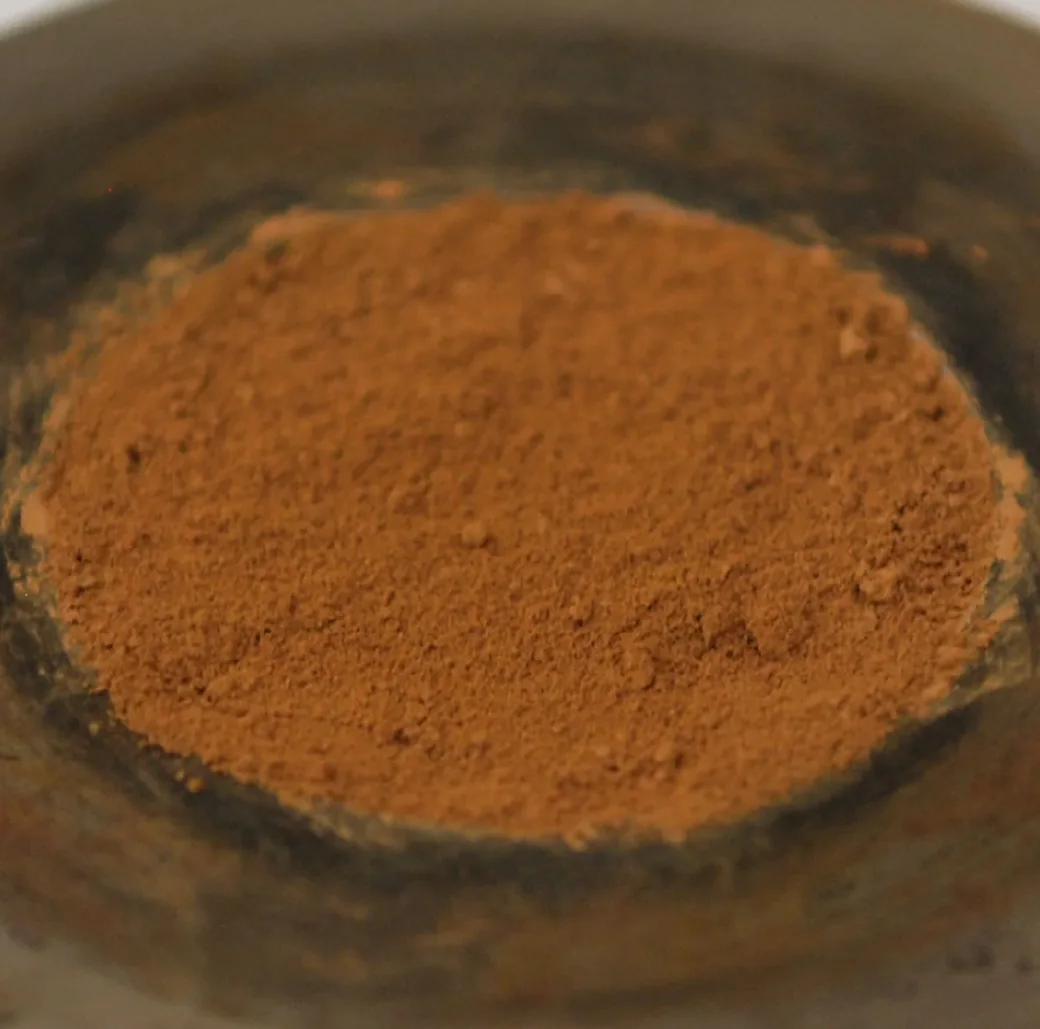
In Nature Communications, we showed that the planet's red dust owes its colour to ferrihydrite, a mineral that forms in cool water, pointing to an early Mars that was wetter and colder than previously thought.
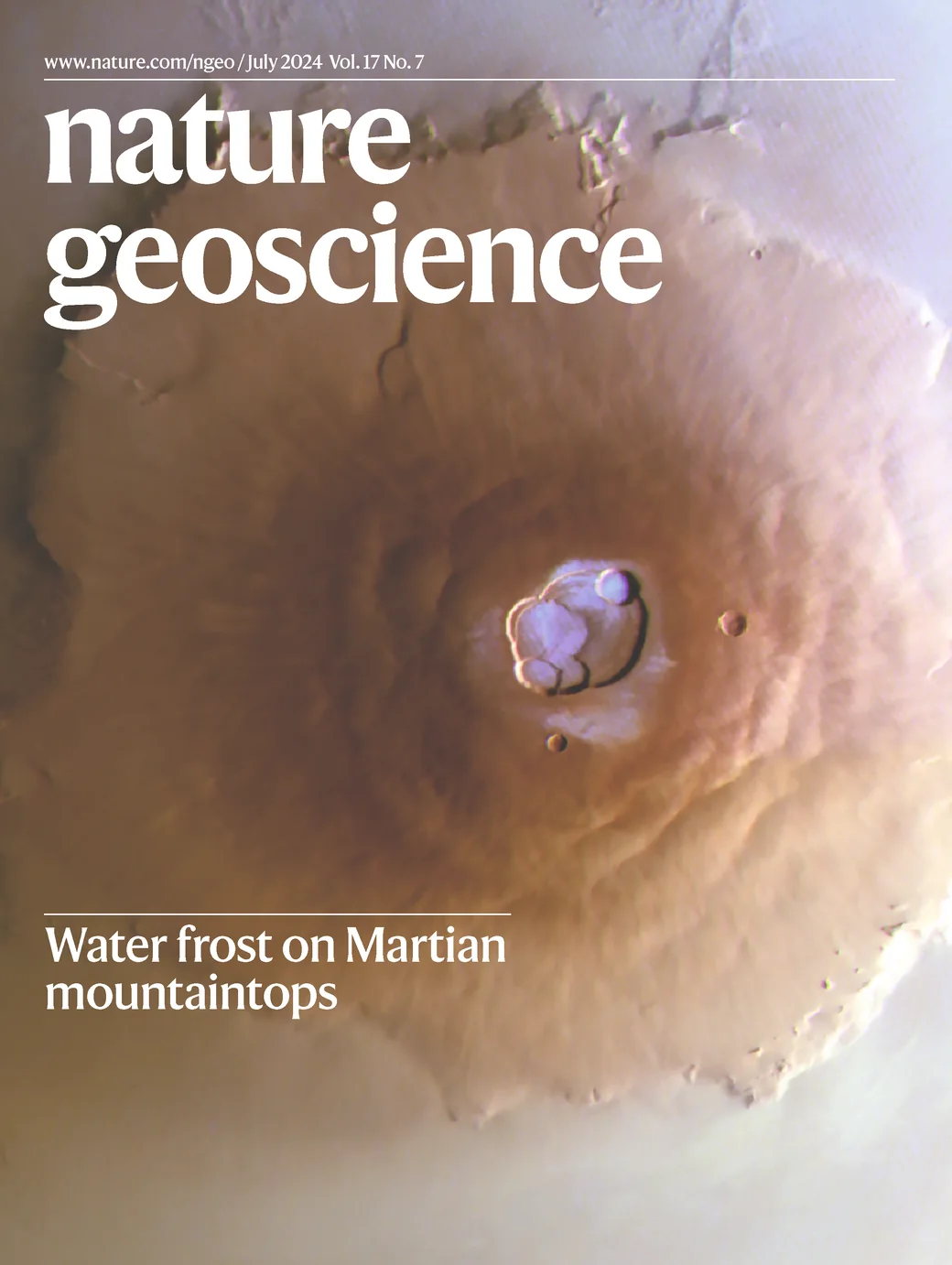
With the TGO/CaSSIS team, we found morning water frost on the Tharsis volcanoes, the tallest in the solar system. The paper made the cover of Nature Geoscience's July issue.