Why is Mars red?
We showed that the planet's red dust owes its colour to ferrihydrite, not hematite as long assumed. Because ferrihydrite forms in cool water, it tells us early Mars was wetter, colder, and more habitable than previously thought.
In the lab, I synthesize iron minerals to reconstruct environmental conditions on ancient Mars.
With rover data, I investigate Martian rocks up close, bridging the lab bench and the view from orbit.
With ESA and NASA orbiters, we map water-rich minerals, tracing where Mars was once habitable.
We showed that the planet's red dust owes its colour to ferrihydrite, not hematite as long assumed. Because ferrihydrite forms in cool water, it tells us early Mars was wetter, colder, and more habitable than previously thought.
With the TGO/CaSSIS team, we discovered morning water frost on the solar system's tallest volcanoes — where it was thought impossible. The finding made the cover of Nature Geoscience.
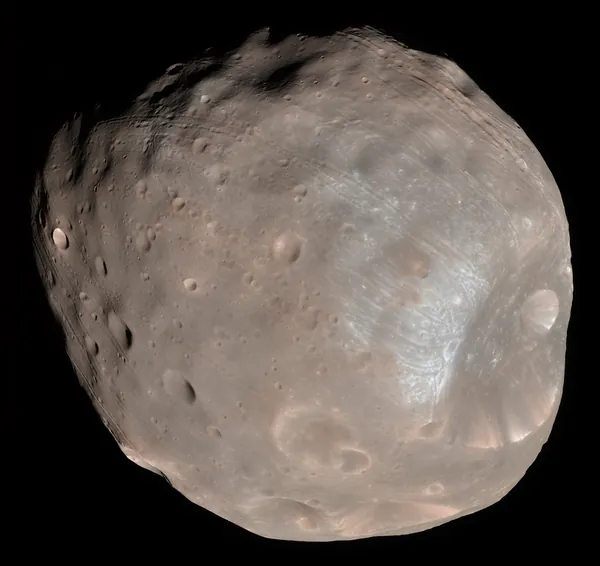
With the CaSSIS camera on ESA's Trace Gas Orbiter, we imaged Mars' two small moons in colour and tracked how their brightness and colour change with viewing angle — clues to what their surfaces are made of.
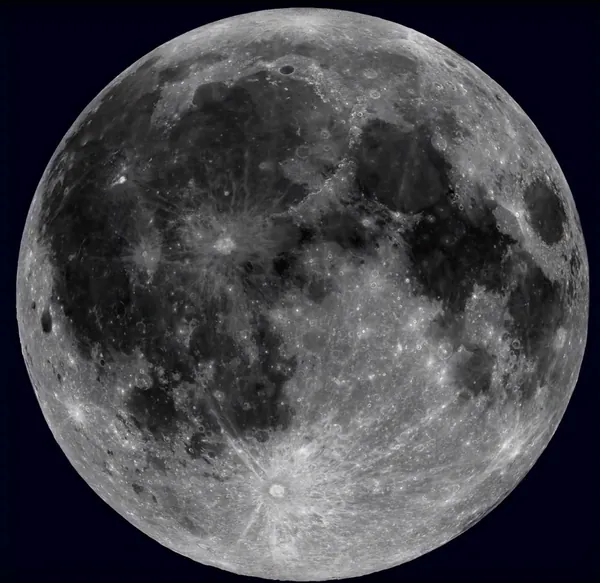
I mapped young tectonic features and surprisingly young-looking surfaces in the lunar maria to test whether the Moon's nearside is still active today.